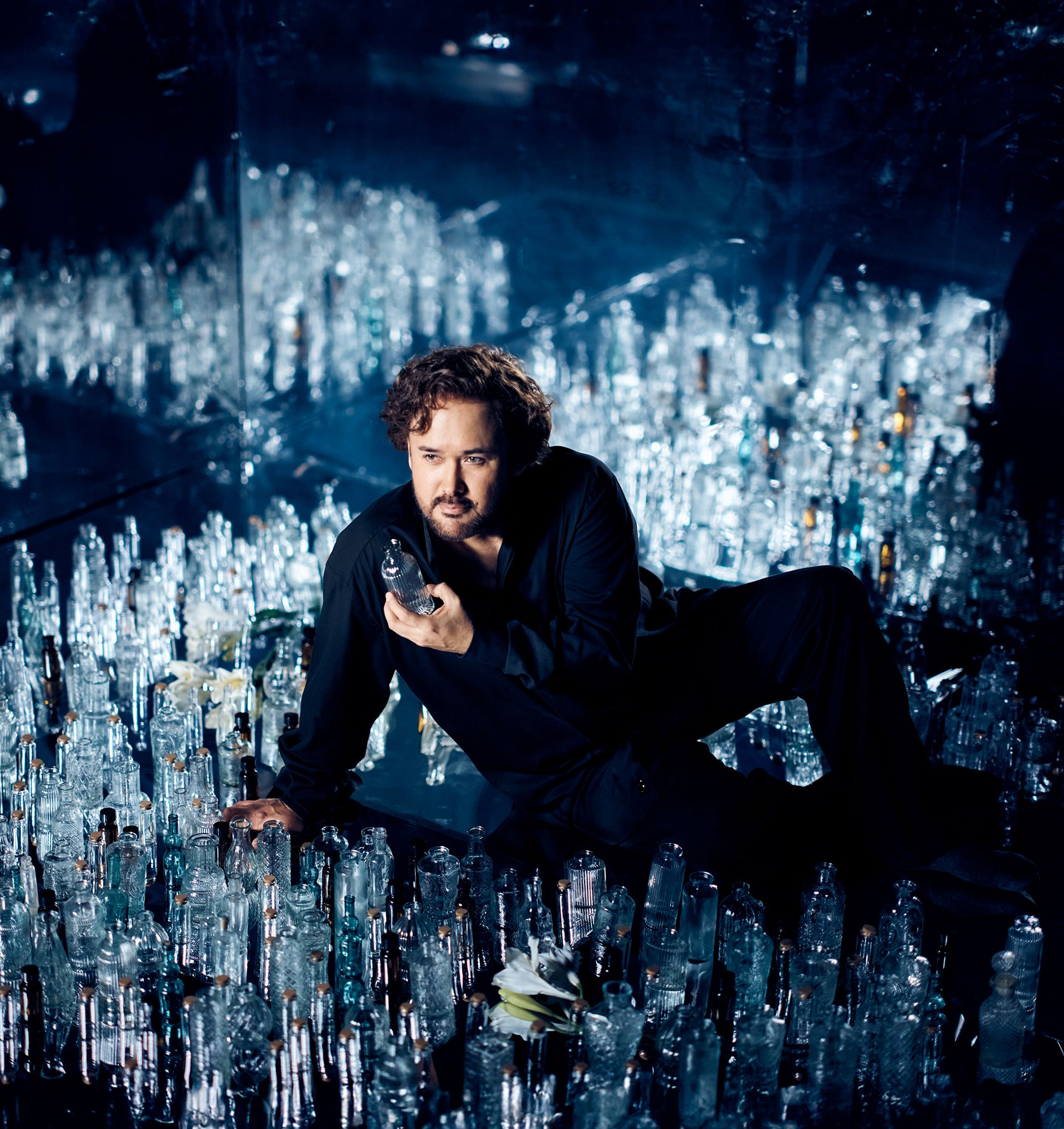


EPISODES
L'ELISIR D'AMORE IN 30 MINUTES
3 REASONS TO WATCH L'ELISIR D'AMORE
Get ready
INFO
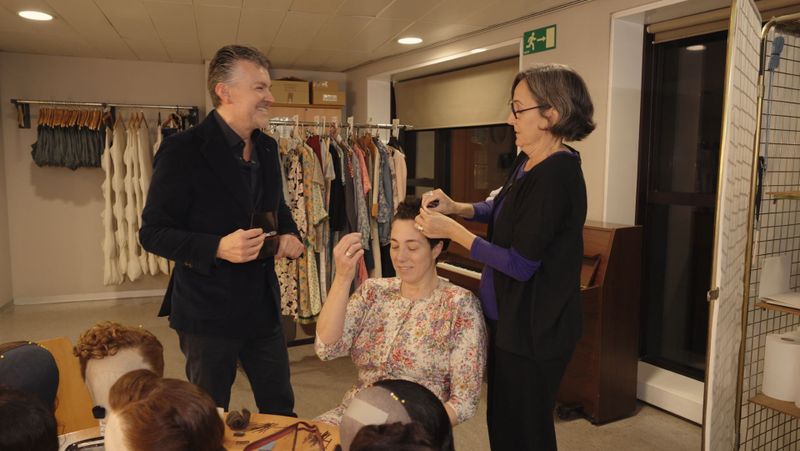
The introduction
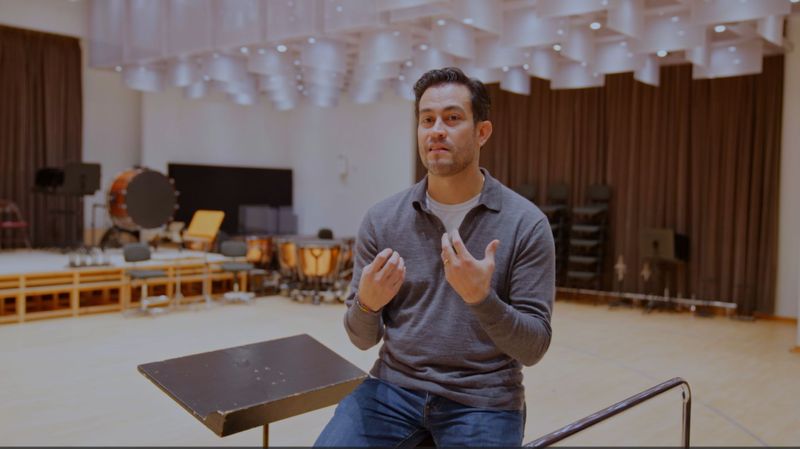
Ramon Gener introduces L'elisir d'amore by Donizetti
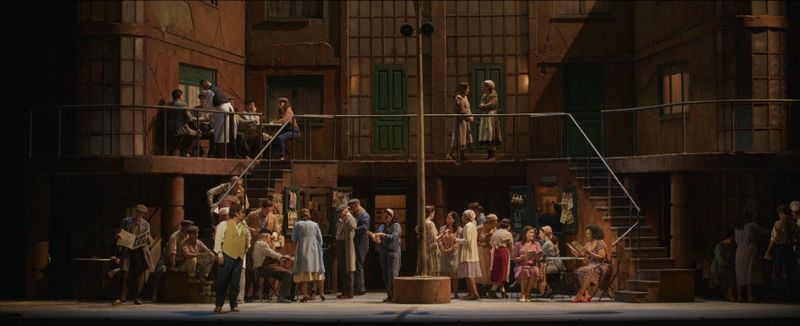
Act I
First act of L'elisir d'amore
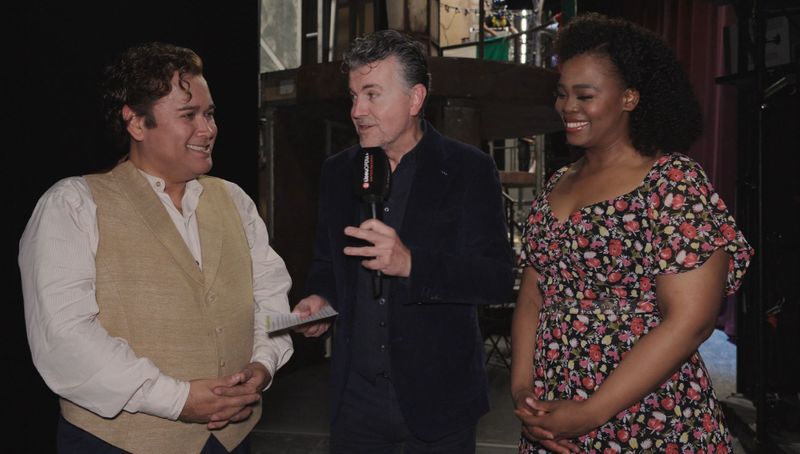
The interlude
First interlude of L'elisir d'amore with Ramon Gener. With interviews with the protagonists of the production.
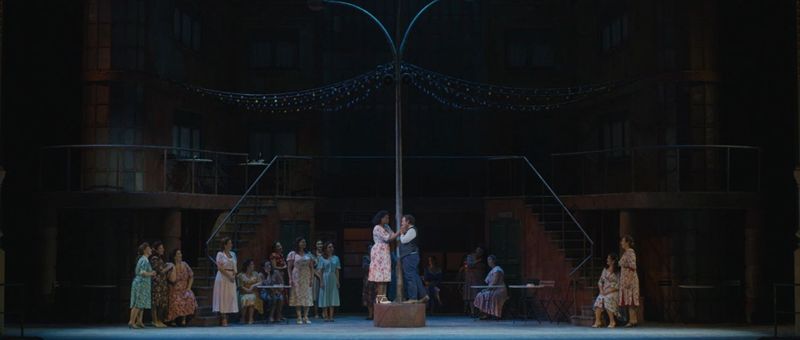
Act II
Second act of L'elisir d'amore
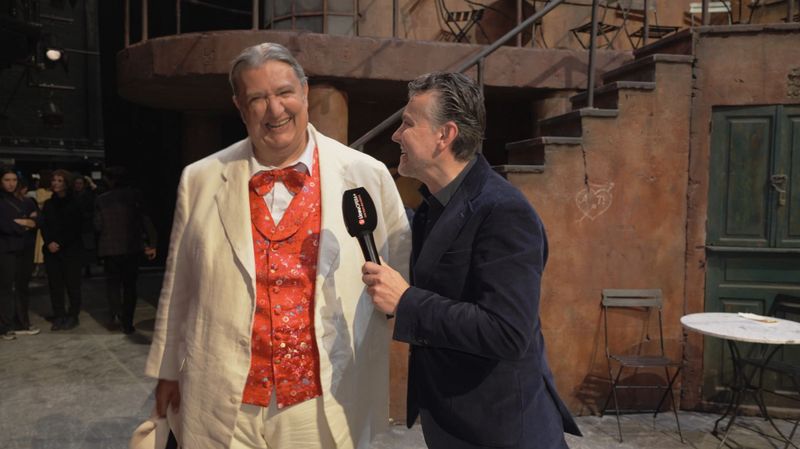
Aftershow
Ramon Gener says goodbye to the spectators and talks to some of the protagonists of L'elisir d'amore
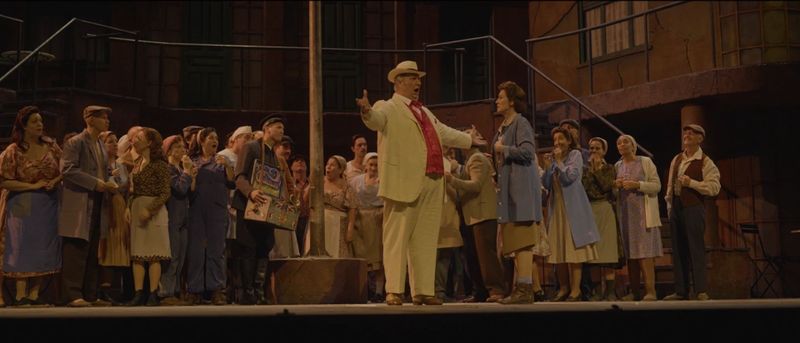
Udite o rustici
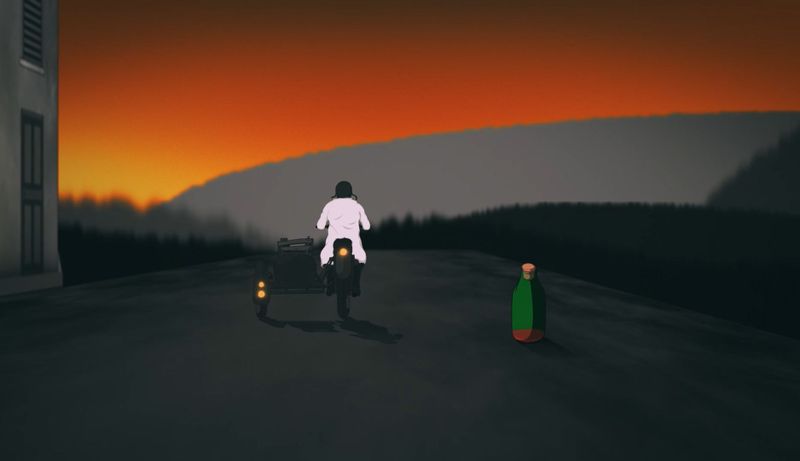
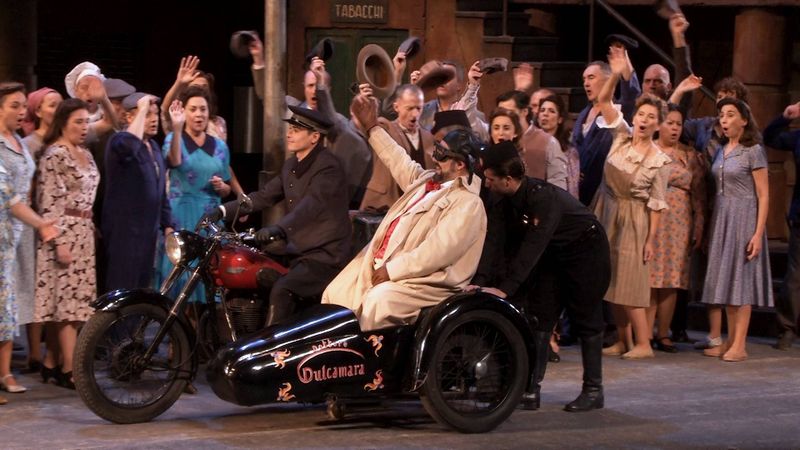
The arrival of the talkative Dr. Dulcamara enlivens the entire village. With great eloquence, he sells a potion supposedly capable of curing all ailments. When he has already sold out all his stock, Nemorino approaches him, hoping to buy some. The problem is that none is left, but the greedy Dulcamara, always eager to make a deal, fills a small bottle with Bordeaux wine and sells it to Nemorino as if it were a love potion. The catch, however, is that he must wait a day for it to take effect.
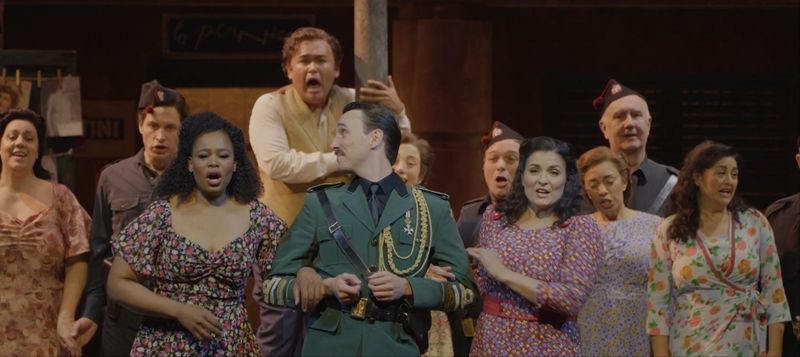
Adina credimi
Nemorino has drunk the entire potion, but for now, he seems to feel no effect. Everything is thrown into turmoil when an unexpected summons arrives for Sergeant Belcore, forcing him to leave earlier than planned. Before departing, he proposes to Adina that they marry that very day, and she agrees. When Nemorino learns of this, desperate, he begs her not to go through with it, asking her to wait just one more day, convinced that by then the potion will have taken effect. But no one takes him seriously; everyone thinks he is a fool and laughs at him.
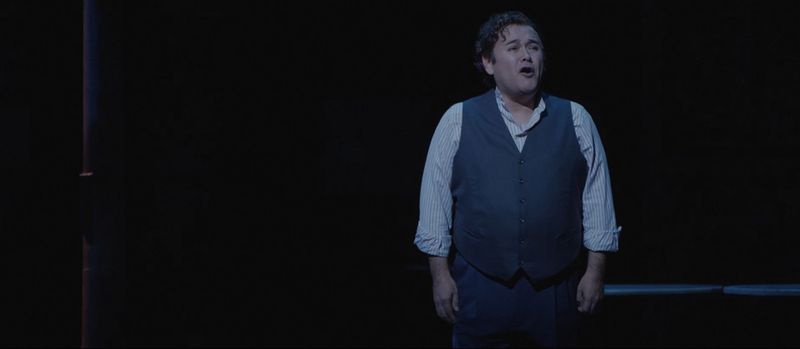
Una furtiva lacrima
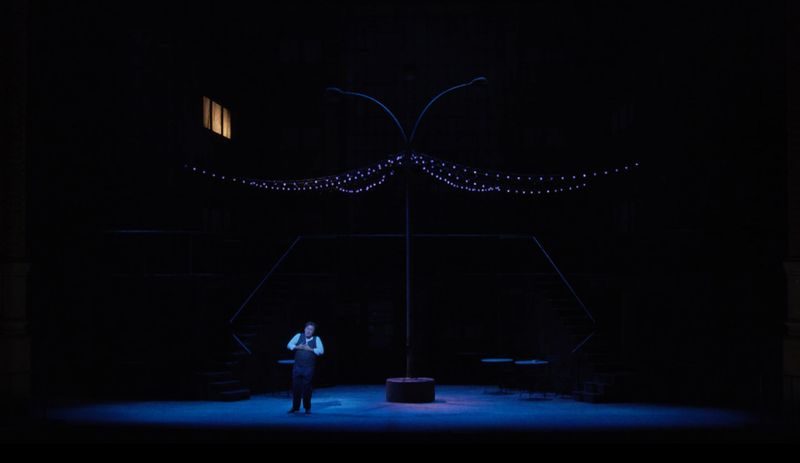
Act II opens with Nemorino in despair. He wants to buy more of the potion, but he has no money. Driven by necessity, he decides to enlist in the army, ironically under the command of his rival, Belcore. Meanwhile, the village girls discover that Nemorino has inherited a great fortune—a fact he is still unaware of—and they all begin to court him. The potion seems to have taken effect. At dawn, Nemorino prepares to leave as a soldier and delivers the opera’s most famous moment, in which, with deep longing, he yearns for his beloved Adina.
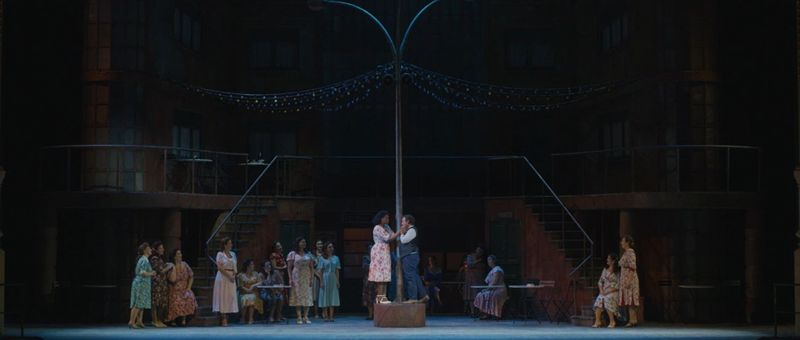
Prendi per me sei libero
Adina discovers that Nemorino has enlisted in the army in order to buy more of the potion, and this sacrifice reveals to her the unconditional love he feels for her. The gesture opens her eyes and finally leads her to acknowledge and declare the feelings she also has for him. Thus, the potion—perhaps magical, perhaps not—ultimately takes effect, and the story concludes with a happy, satisfying ending.
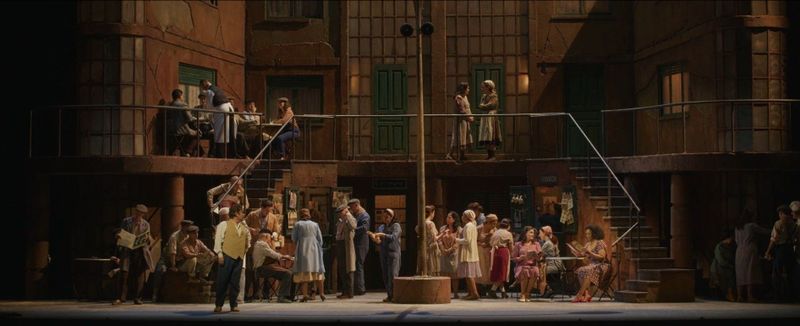
Quanto è bella quanto è cara
Nemorino is hopelessly in love with Adina, the richest and most beautiful young woman in the village. Naive and shy, he doesn’t dare to confess his feelings. Just after this aria, Adina reads aloud the legend of Tristan and Isolde, and Nemorino discovers, fascinated, the existence of a potion capable of making two lovers fall in love. But the sudden arrival of Sergeant Belcore, who quickly asks for Adina’s hand, forces Nemorino to realize that time is against him and that he must hurry.
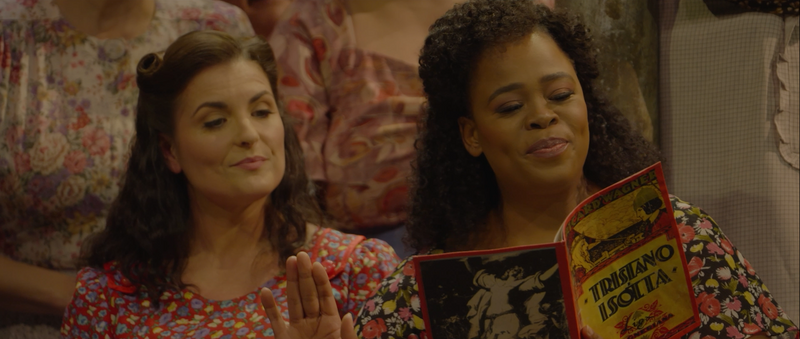
Della crudele Isotta
The opening of the opera features several important solo numbers. Nemorino, for instance, sings his first aria, "Quanto è bella, quanto è cara," in the opening scene to express his absolute love for Adina. She, however, pays him no attention and responds with indifference in her own first aria, a piece of remarkable agility and melodic charm that clearly reveals her idealistic nature. She longs for the absolute love of Queen Isolde and remains entirely unmoved by the infatuation of an inexperienced and impoverished young man. This opening perfectly defines the two protagonists, doing so through bel canto at its finest.
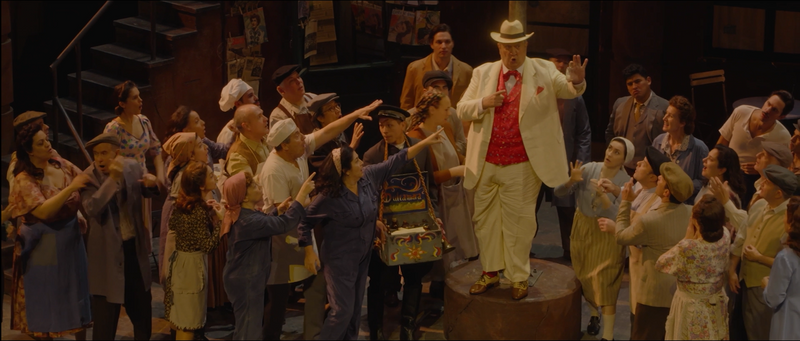
Udite, udite, o rustici!
The character of Dulcamara is one of the finest examples of the basso buffo, a voice type ideally suited to grotesque comic characters. Such roles were a staple of early nineteenth-century comic opera—their greatest exponent being Rossini—but by Donizetti's time they had become a somewhat old-fashioned archetype. Nevertheless, the bogus Doctor Dulcamara—a charlatan who promises miraculous cures—is brilliantly introduced through his entrance aria, written in the demanding syllabic style, which adds a delightful sense of breathless speed and light-heartedness to the opera.
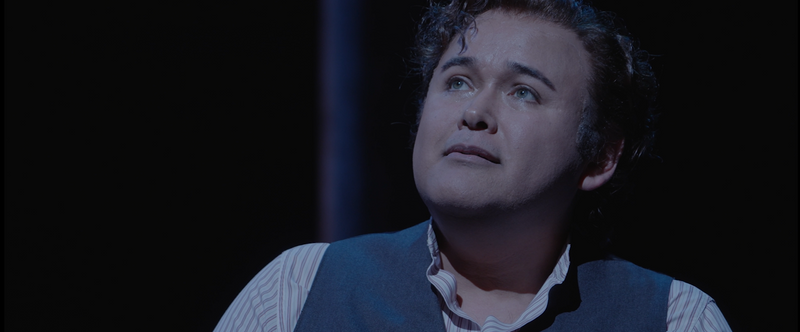
Una furtiva lagrima
Nemorino’s romance is the most famous moment in L'elisir d'amore, a melody of flawless beauty in which he declares that he has seen his beloved Adina shed a tear of love. Yet the power of "Una furtiva lagrima" extends far beyond the aria itself, serving as the delicate prelude to a superb final duet in which the tenor and soprano finally acknowledge their love for one another. The duet takes both singers to the very top of their vocal ranges, weaving passages of extraordinary difficulty that demand exceptional vocal agility after more than two hours of singing. The closing section of L'elisir d'amore is, without question, exhilarating.






Abstract
Courage and a sense of epic adventure surround the creation of this masterpiece of the buffo genre. Love potions have been a recurring element in romantic tales for thousands of years, but in L’elisir d’amore, there’s a clever and unexpected twist to the tradition: this time, the happy ending doesn't come from a love potion (which turns out to be nothing more than red wine!), but from a story about a love potion. L’elisir d’amore is a perfect comedy in which the main characters come together through their own actions—not because of a magic elixir. In an unpredictable turn, Nemorino unintentionally wins over Adina: the true magic lies not in a bottle, but in the sincerity, friendship, and respect that can unite two hearts.
Tags
Cast
Pretty Yende
Adina
Javier Camarena
Nemorino
Huw Montague Rendall
Belcore
Ambrogio Maestri
Doctor Ducalmara
Anna Farrés
Giannetta
Artístic profile
Diego Matheuz
Conductor
Mario Gas
Stage conductor
Marcelo Grande
Scenography & costume design
Joaquim Gutiérrez
Lightning
Gran Teatre del Liceu
Chorus & Orchestra
Pablo Assante
Chorus conductor
Gran Teatre del Liceu
Production