

EPISODES
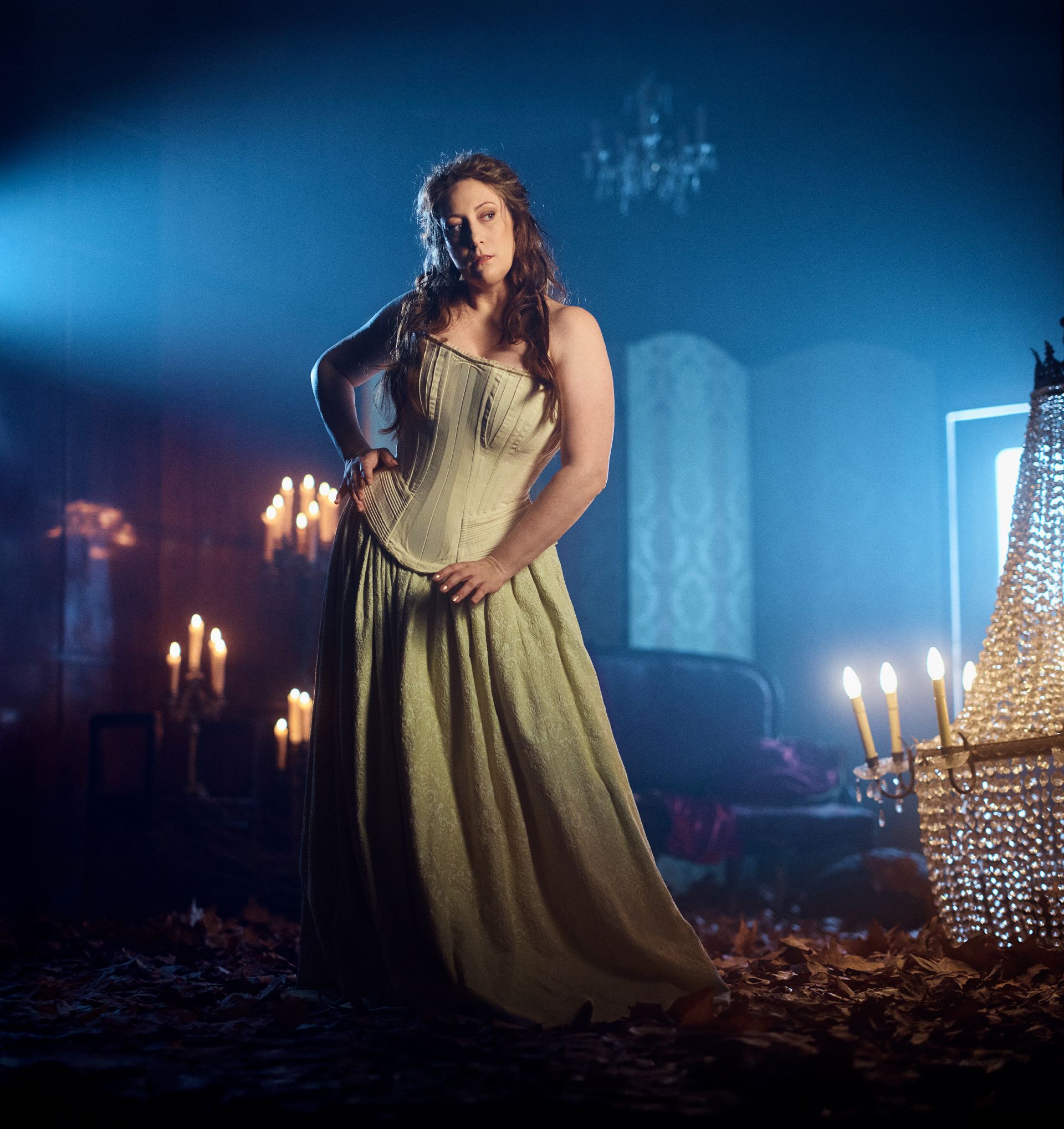
3 REASONS TO WATCH LA GIOCONDA
Get ready
INFO
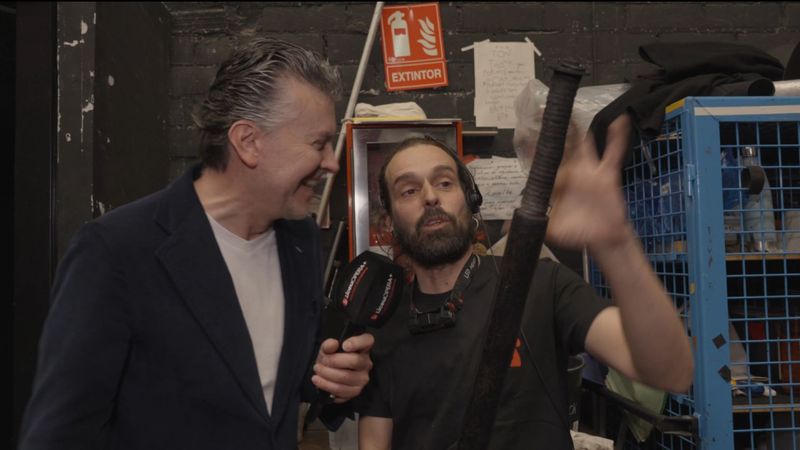
The introduction
Ramon Gener introduces La Gioconda by Amilcare Ponchielli
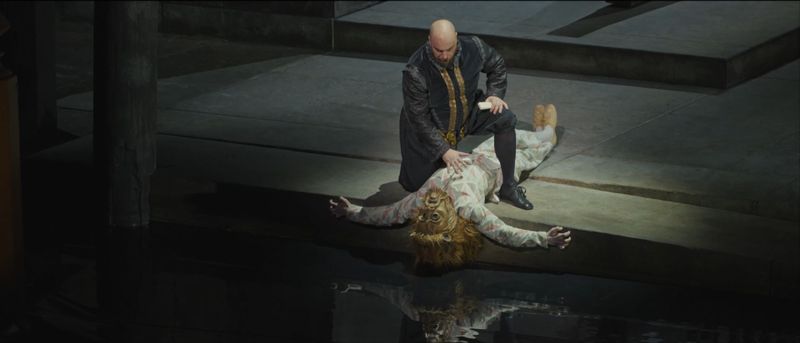
Act I and II
First and second act of La Gioconda
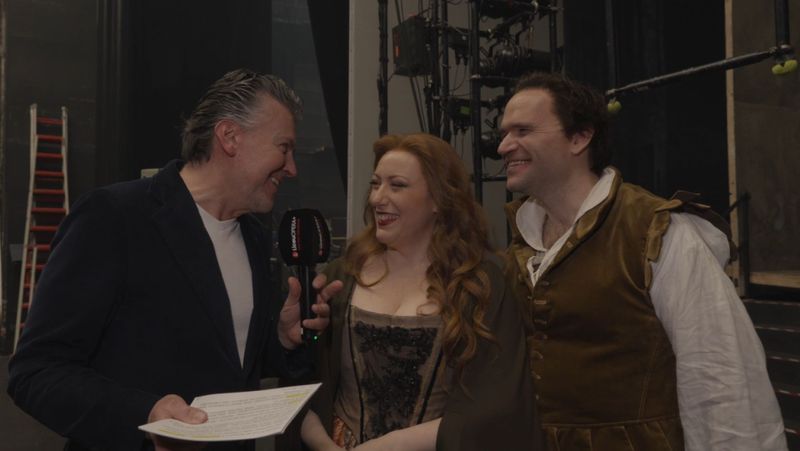
The interlude
The interlude of La Gioconda with Ramon Gener. With interviews with the protagonists of the production.
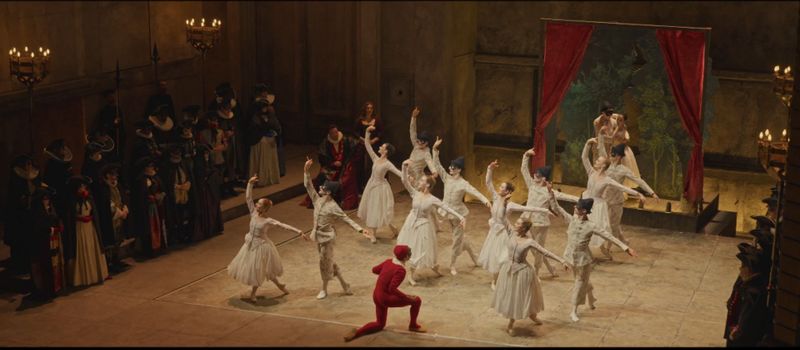
Act III and IV
Third and fourth act of La Gioconda
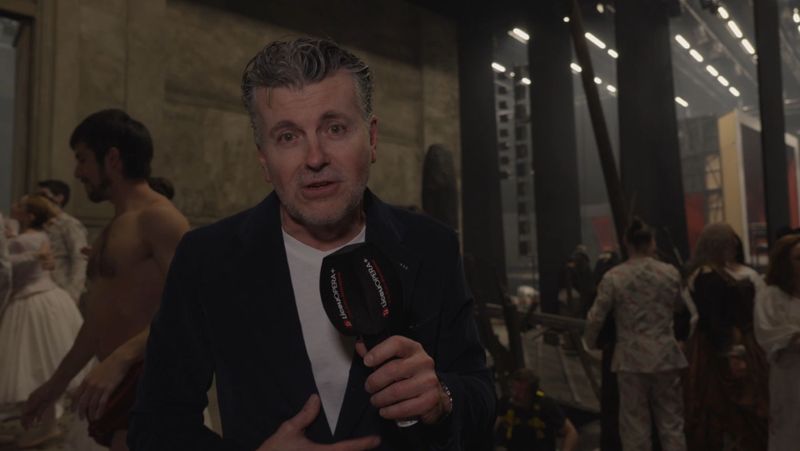
Aftershow
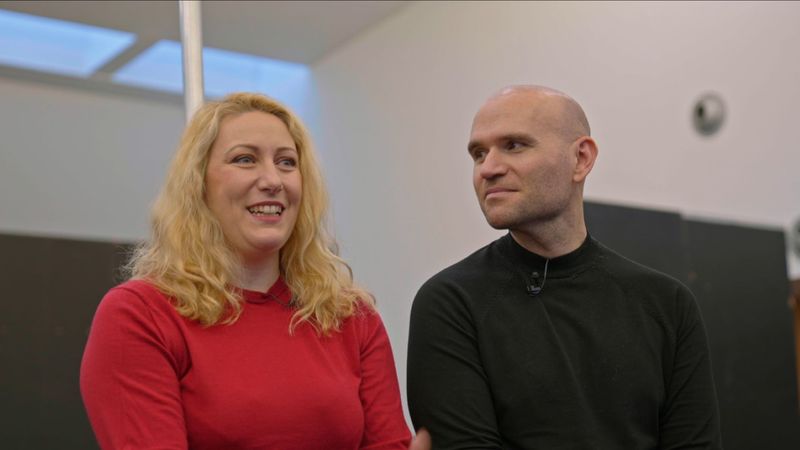
Ramon Gener says goodbye to the spectators and talks to some of the protagonists of La Gioconda
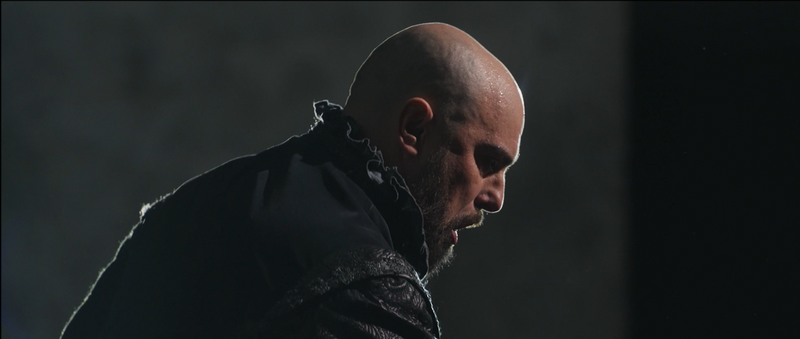
O monumento!
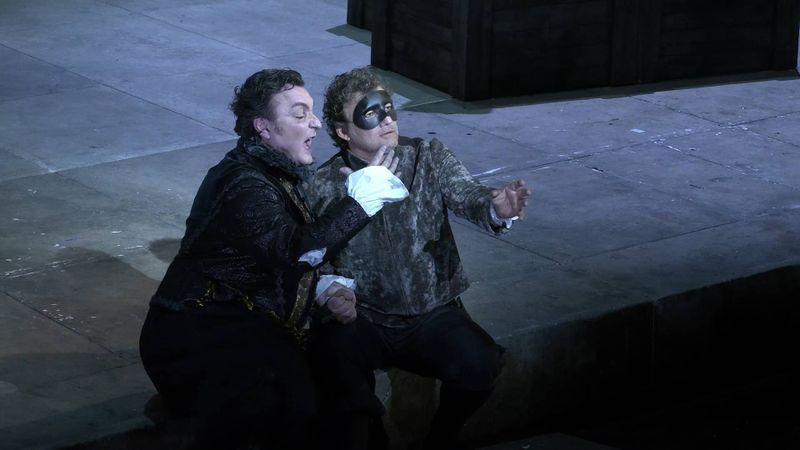
From a lyrical standpoint, this scene is not Barnaba’s most outstanding moment in the first act. "Voce di donna," sung by La Cieca, is far more moving, while "Cielo e mar!", performed by Enzo in the following act, is considerably more passionate. Yet this aria is of particular importance: it offers a masterful psychological portrait of Barnaba as a ruthless villain, an embodiment of absolute evil that sends chills down the spine. It not only foreshadows the opera’s tragic conclusion but also anticipates another comparable literary creation by the librettist Arrigo Boito: the character of Iago in Giuseppe Verdi’s extraordinary Otello (1887).
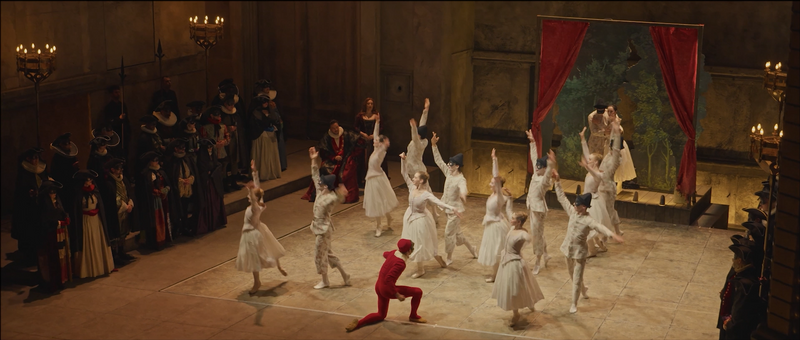
The dance of the hours
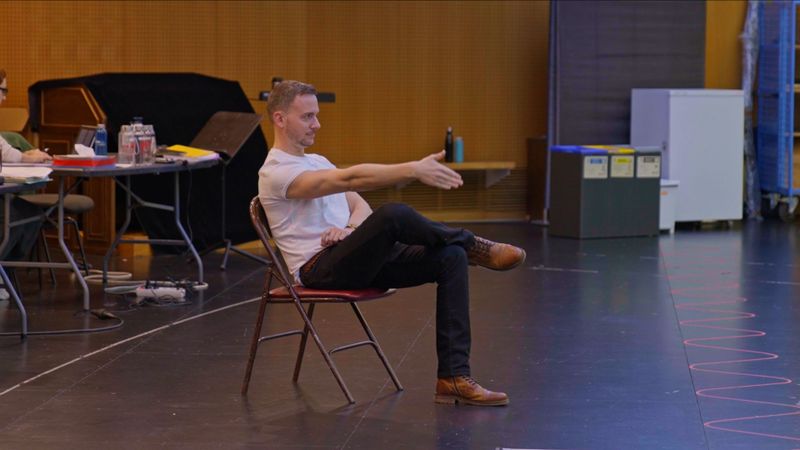
One of the unavoidable influences on the creation of La Gioconda was French grand opéra, a genre that, by the 1870s, was well past its golden age but still dominated Europe's opera houses commercially. One of the defining conventions of grand opéra was the inclusion of a ballet—always in the second or third act—and Ponchielli made the inspired decision to compose the enchanting melodies of the "Dance of the Hours," a number that strikes a fine balance between Romantic passion and the graceful courtly dances of the eighteenth century, such as the gavotte and the minuet.
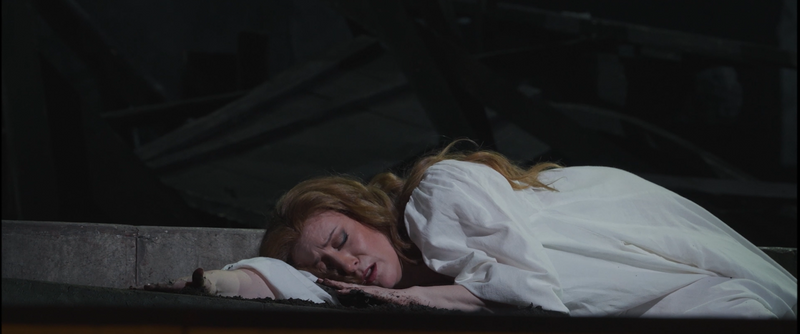
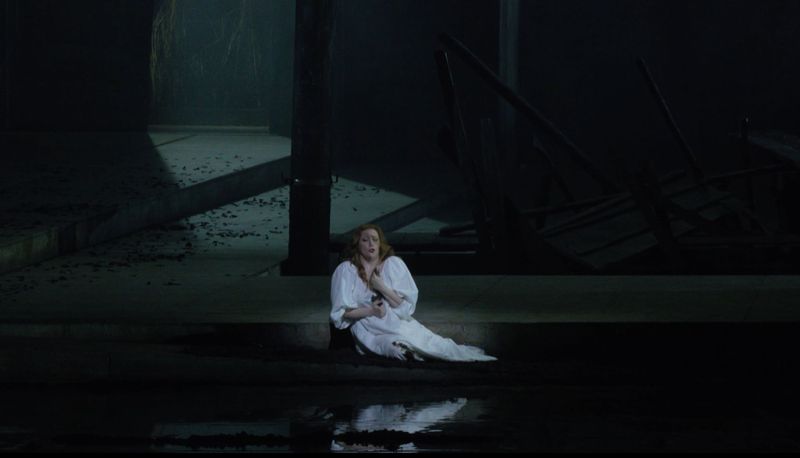
Suicidio!
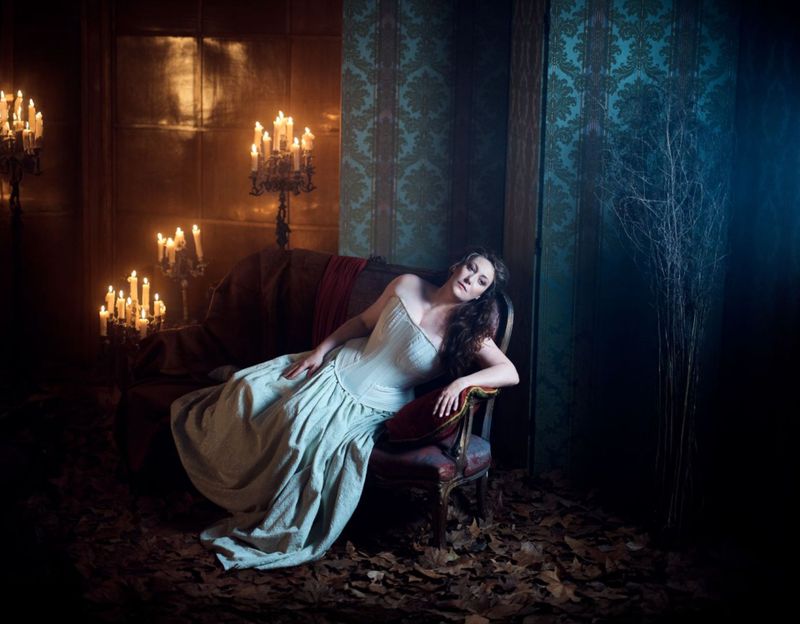
La Gioconda feels that she has lost everything. Her mother is being held hostage by Barnaba, and her lover, Enzo, is imprisoned; even if he manages to escape, he will flee with Laura, the love of his youth. Faced with such overwhelming misfortune and unable to imagine a hopeful outcome, she contemplates suicide. This aria is the emotional centrepiece of the opera and the defining moment for the dramatic soprano, who must display the full extent of her power, overwhelming passion, and ability to confront the most dreadful of decisions. If Barnaba’s first aria recalls Otello, "Suicidio!" also foreshadows another landmark of the operatic repertoire: Tosca.



Abstract
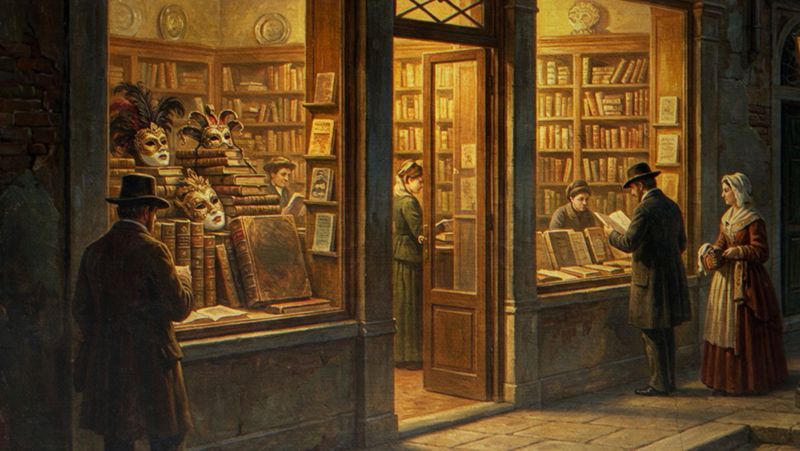
The title brings together the best of the styles of its time: strongly Verdi-inspired melodies, choral passages typical of Venetian popular music, soliloquies with touches of Mussorgsky or Tchaikovsky, Wagnerian orchestration, dances and ballets characteristic of the French Grand Opera, and a finale that anticipates the verismo-naturalist repertoire. All of this places us in front of an immensely attractive masterpiece. This magnificent opera, which has always enjoyed the favor of the audience, offers the possibility for six extraordinary singers to shine. For these performances, the Liceu has gathered some of the most beloved stars of today’s opera world: Saioa Hernández, Ekaterina Semenchuk, Enzo Grimaldo, Michael Fabiano, and Martin Muehle.
Tags
Cast
Saioa Hernández
La Gioconda
Ksenia Dudnikova
Laura Adorno
John Relyea
Alvise Badoero
Violeta Urmana
La cieca
Michael Fabiano
Enzo Grimaldo
Gabriele Viviani
Barnaba
Roberto Covatta
Isèpo
Artistic profile
Daniel Oren
Conductor
Romain Gilbert
Stage Conductor
Christian Lacroix
Costume design
Etienne Pluss
Scenography
Valerio Tiberi
Lightning
Vincent Chaillet
Choreography
Gran Teatre del Liceu
Chorus & Orchestra
Glòria Coma
Conductor of the Orfeó Català Children's Choir
Pablo Assante
Chorus conductor
Gran Teatre del Liceu i Teatro di San Carlo de Nàpols
Production