



CHAPTERS
3 REASONS TO WATCH LE NOZZE DI FIGARO
GET READY
INFO
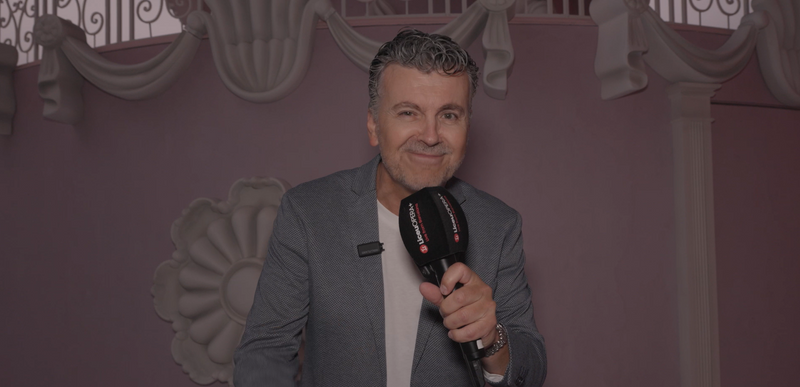
The introduction with Ramon Gener
Ramon Gener presents Le nozze di Figaro by Wolfgang Amadeus Mozart. With Marta Pazos as stage conductor.
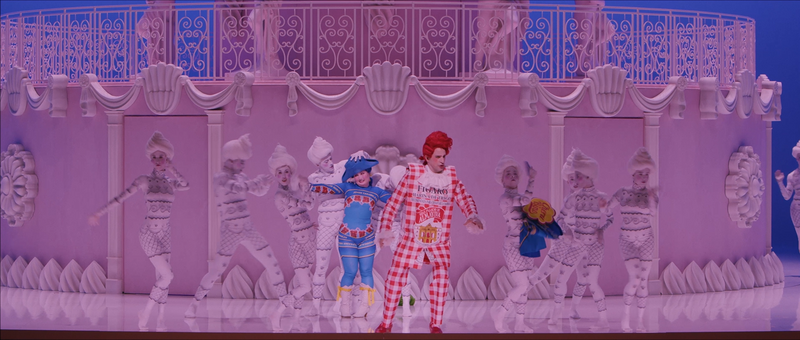
Act I
First act of Le nozze di Figaro.
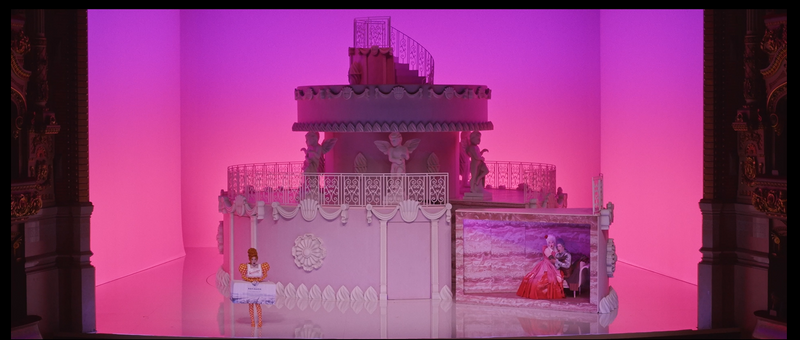
Act II
Second act of Le nozze di Figaro.

The interlude with Ramon Gener
The interlude of Le nozze di Figaro with Ramon Gener, with Luca Pisaroni, Anna Prohaska and Marta Pazos.
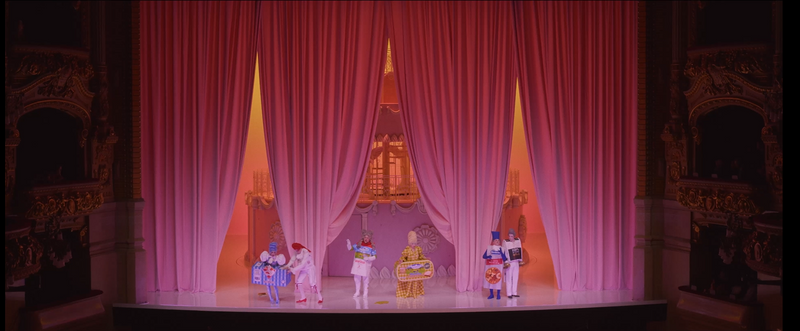
Act III
Third act of Le nozze di Figaro.

Act IV
Fourth act of Le nozze di Figaro.
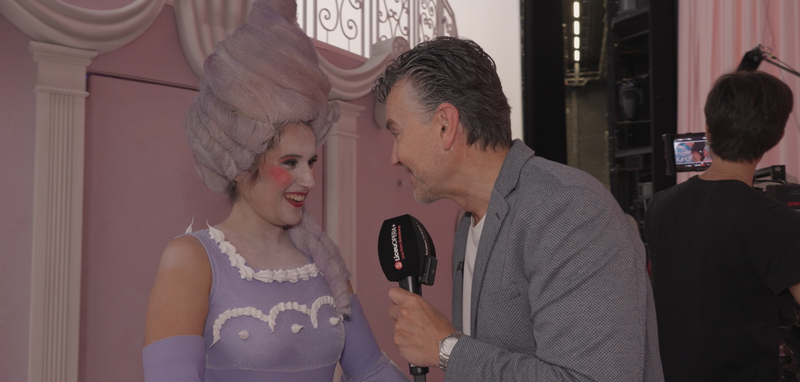
Aftershow with Ramon Gener
Aftershow with Ramon Gener, Sara Blanch and the conductor Giovanni Antonini.
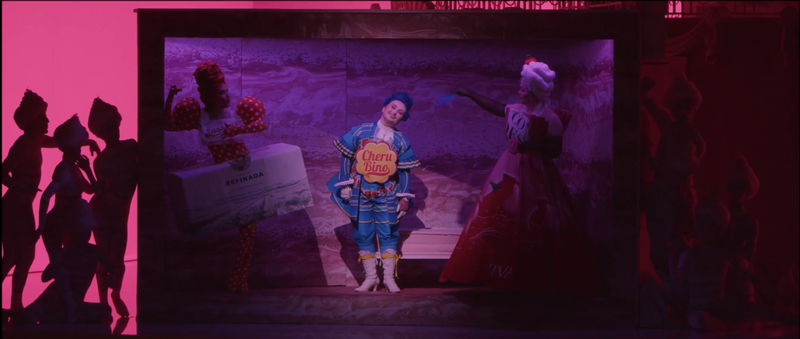
Voi que sapete che cosa è amor
In his first aria, heard in Act I, Cherubino confides in Susanna that he is in love with every woman in the palace, especially the Countess. In his second aria, no less exquisite, his youthful impetuosity gives way to vulnerability as he becomes aware of his own inexperience. Though consumed by overwhelming emotions, he still does not know what true love is, and so he asks Susanna and the Countess to tell him what it feels like to be in love. This is one of the most sublime melodies not only in the opera, but in all of Mozart's output: a brief, fleeting moment, as ephemeral as a summer romance, yet one that lingers in the memory—and in the atmosphere of the drama—until the very end.
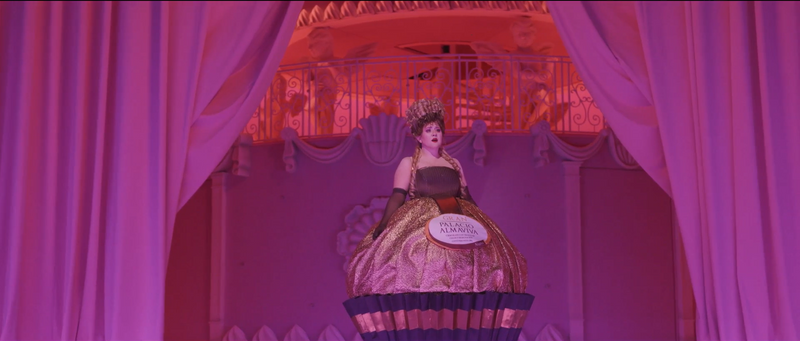
E Susanna non vien! Dove sono i bei momenti
While awaiting Susanna's arrival, with whom she has devised a plan to expose her husband at the end of the opera, the Countess Almaviva reflects on the days when she was young and happy. In her first aria, at the beginning of Act II, she expressed her sorrow upon discovering the Count's intentions towards Susanna. Here, however, she experiences a different emotion: through a melody of exquisite tenderness and compassion, she takes refuge in an idealised past, laying the emotional foundations for her act of forgiveness at the opera's conclusion. The Countess's arias are slow and deeply introspective, and this final one is among those rare moments in the opera when it is impossible for the audience not to be deeply moved.
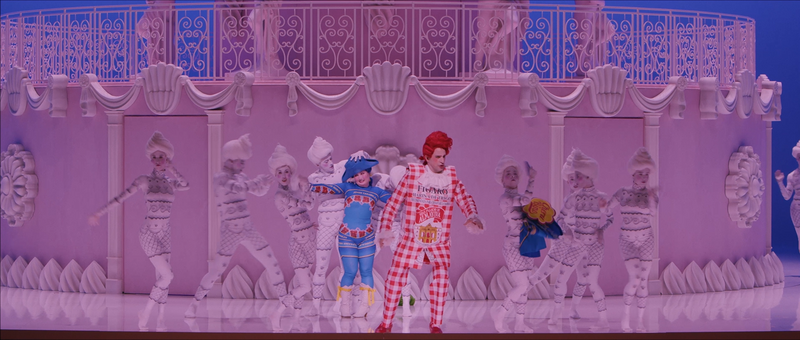
Non più andrai, farfallone amoroso
Count Almaviva has caught the pageboy Cherubino hiding in the room where he had been trying to seduce Susanna, and is determined to get rid of him by sending him off to war. Figaro, however, has no intention of letting the young man leave, as he needs him to carry out his plan for revenge. In this, Figaro's first aria—and the opera's most famous—Mozart combines an unforgettable melody with the brisk rhythm of a military march. Its impact is all the greater as it crowns the exhilarating finale of the first act, a whirlwind sequence in which arias, duets and choral numbers follow one another with irresistible momentum.




Abstract
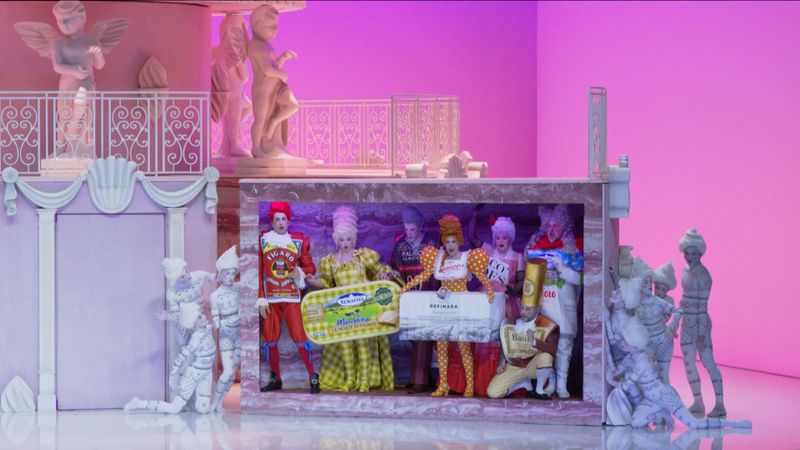
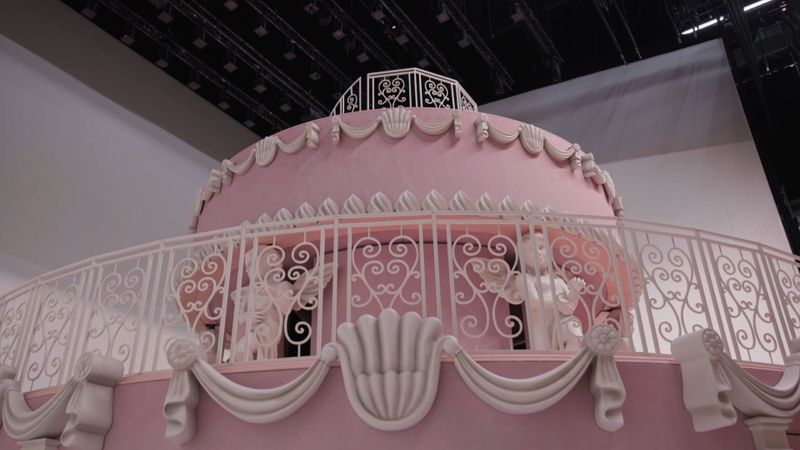
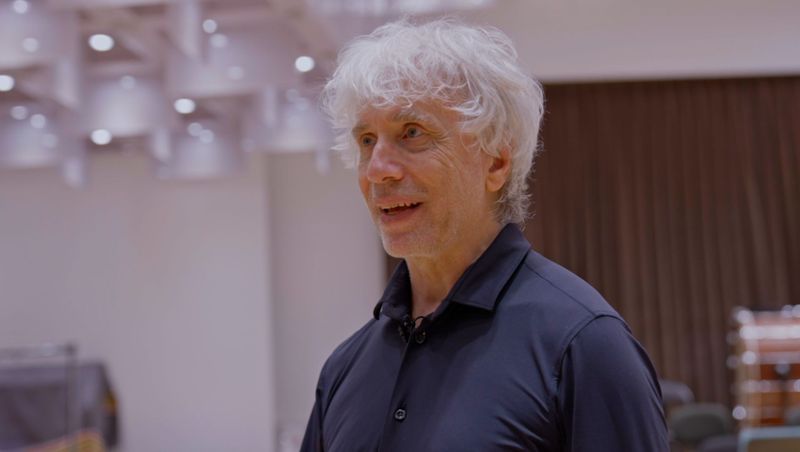
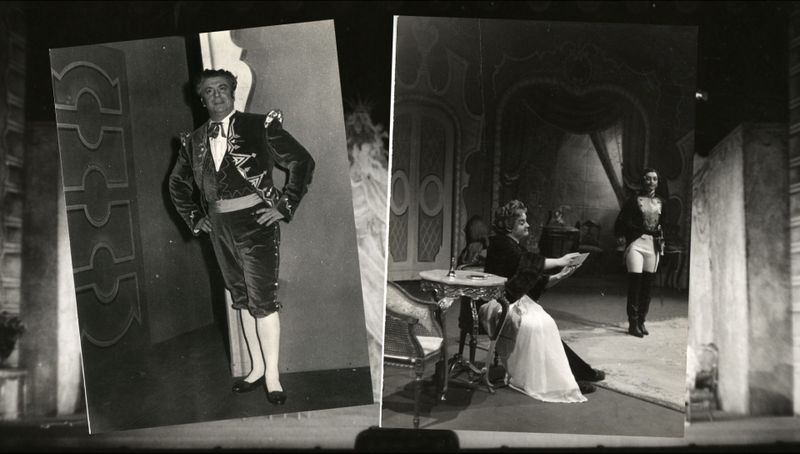
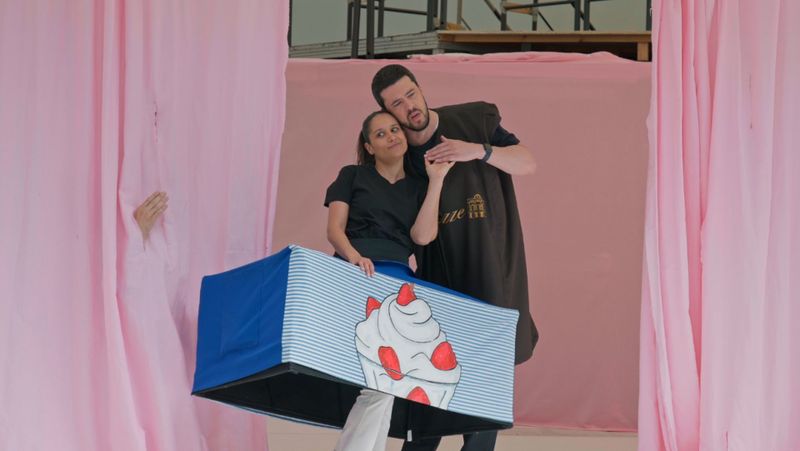
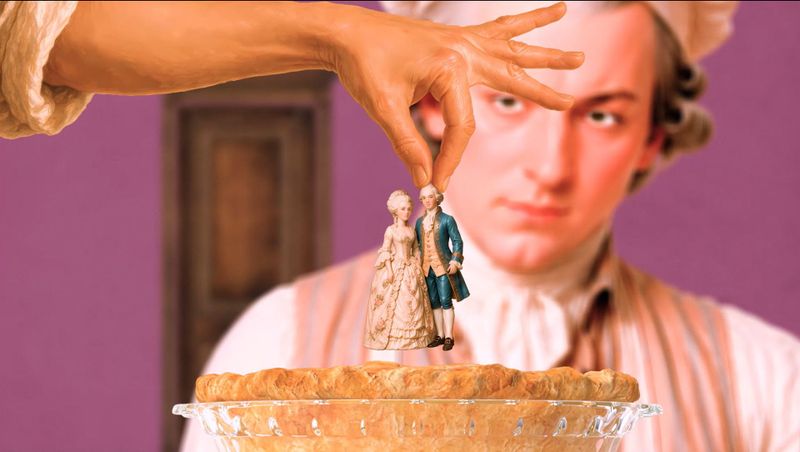
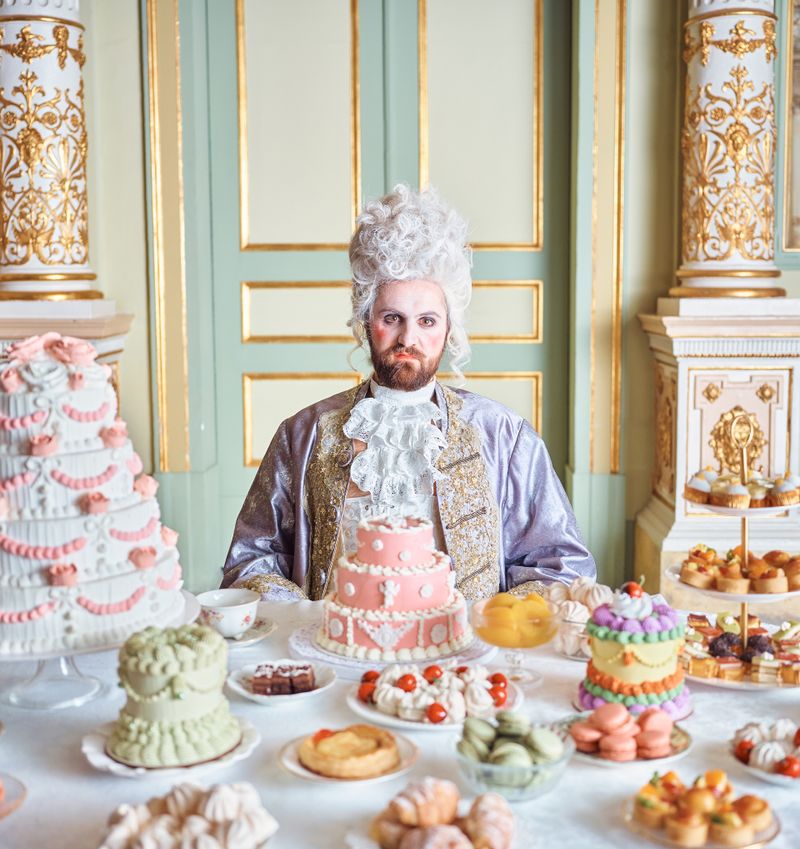
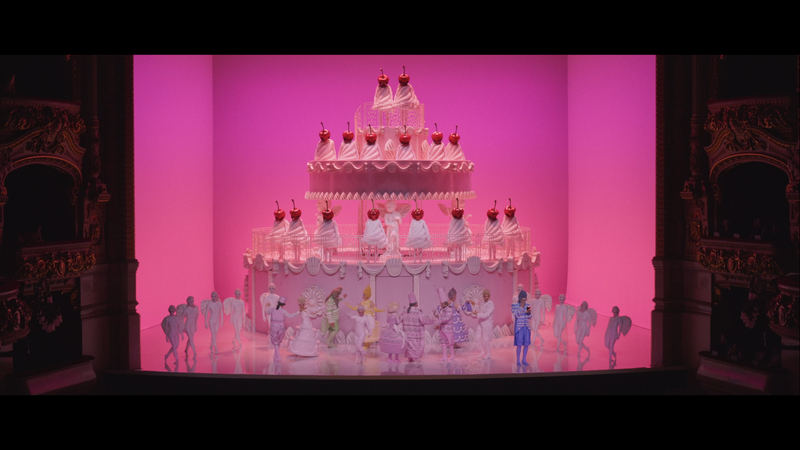
Le nozze di Figaro presents itself as an extraordinary, incomparable monument. A brilliant score full of unpredictable twists that follows the principles of classical theatre unity: unity of place (the Count’s castle, near Seville), of time (18th century), and of action. Mozart, with Le nozze, marks the culmination of classical perfection in beauty, reaching humanity with a score of enormous relevance and modernity that suggests reflections that go beyond the plot. Thus, Le nozze continues to speak to our society and our time, challenging the institution of marriage and, in light of the #metoo movement, the abuse of power and sexual intimidation speak of a male toxicity that must be eradicated.
Tags
Cast
Andrè Schuen
Comte d'Almaviva
Adriana González
Comtessa D'Almaviva
Sara Blanch
Susanna
Luca Pisaroni
Figaro
Julia Lezhneva
Cherubino
Mireia Pintó
Marcellina
Roberto Scandiuzzi
Bartolo
Roger Padullés
Basilio
José Manuel Montero
Don Curzio
Lucía García
Barbarina
Luis López Navarro
Antonio
Artistic profile
Giovanni Antonini
Conductor
Marta Pazos
Stage Conductor
Max Glaenzel based on a creative idea from Marta Pazos
Scenography
Agustin Petronio
Costume design
Nuno Meira
Lightning
Gran Teatre del Liceu
Chorus & Orchestra
Pablo Assante
Chorus Conductor
Gran Teatre del Liceu
Production