


EPISODES
3 MOTIUS PER VEURE MANON LESCAUT
Get ready
INFO
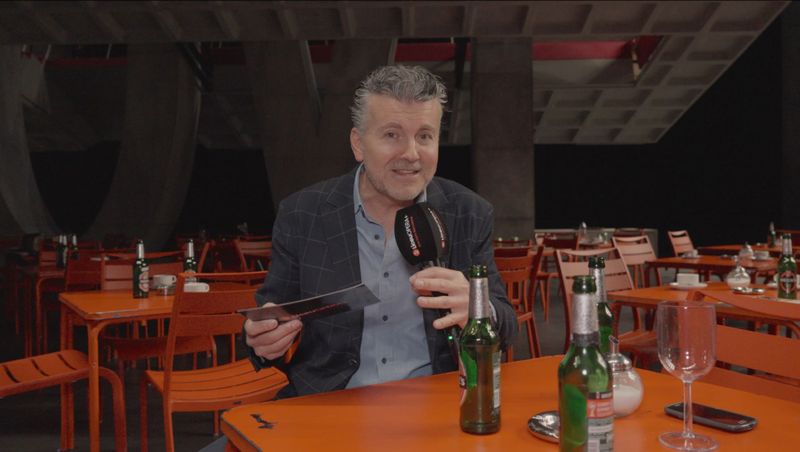
The introduction
Ramon Gener introduces Manon Lescaut by Giacomo Puccini
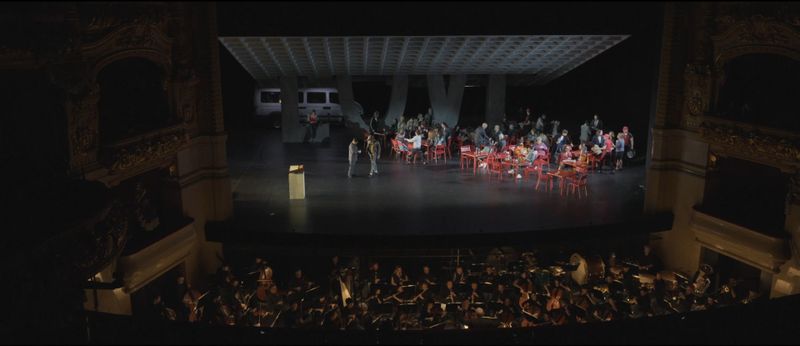
Act I
First act of Manon Lescaut
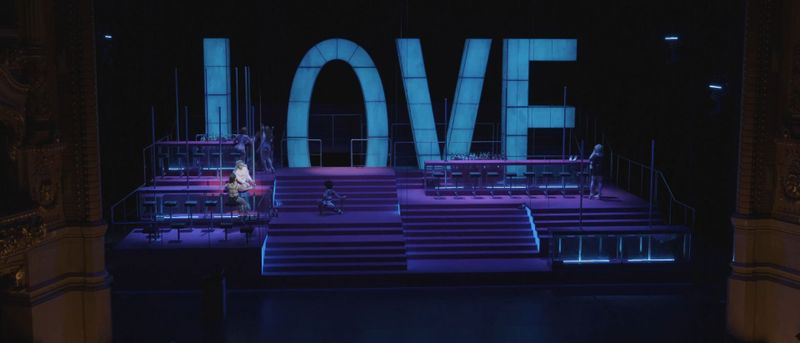
Act II
Second act of Manon Lescaut
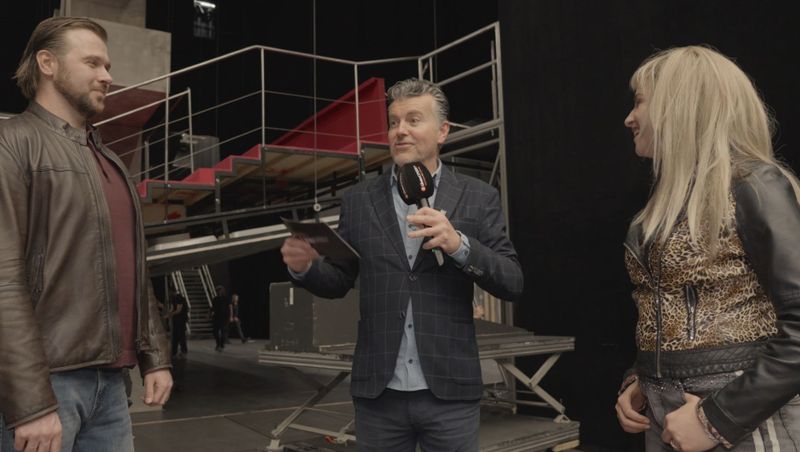
The interlude
The interlude of Manon Lescaut with Ramon Gener. With interviews with the protagonists of the production.
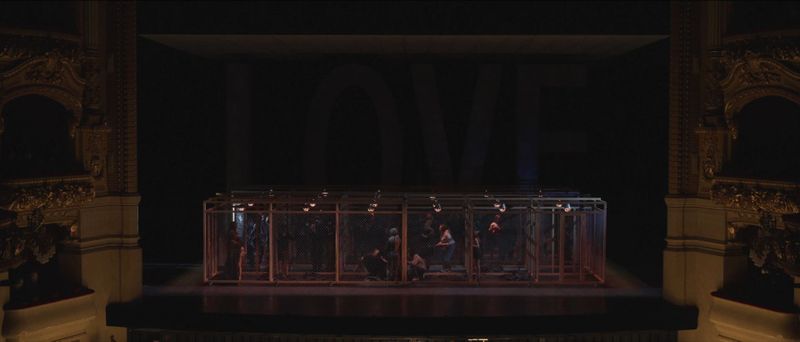
Act III
Third act of Manon Lescaut
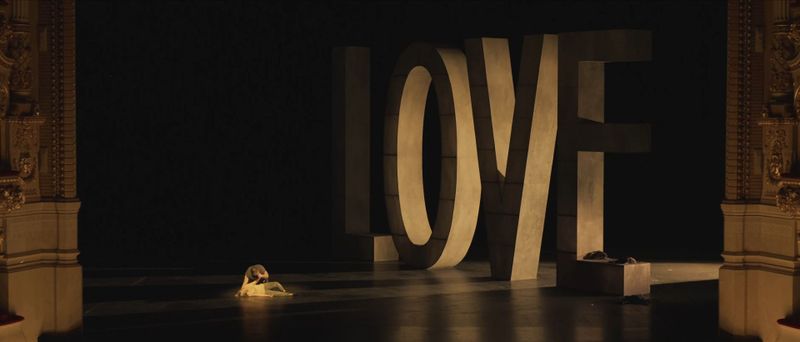
Act IV
Fourth act of Manon Lescaut
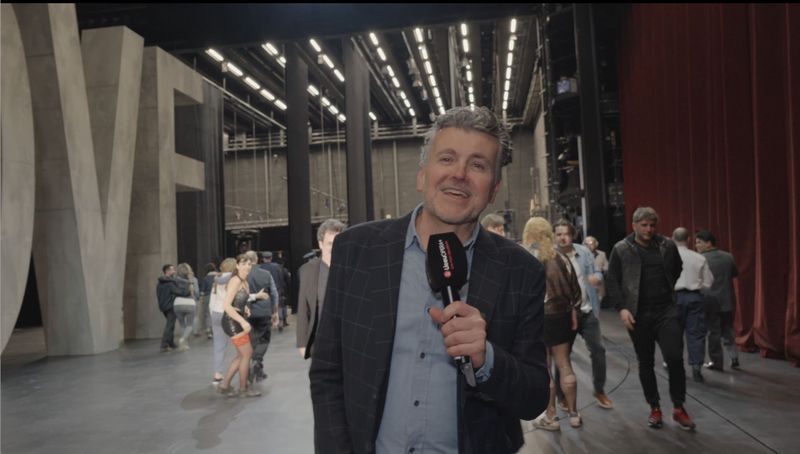
Aftershow
Ramon Gener says goodbye to the spectators and talks to some of the protagonists of Manon Lescaut
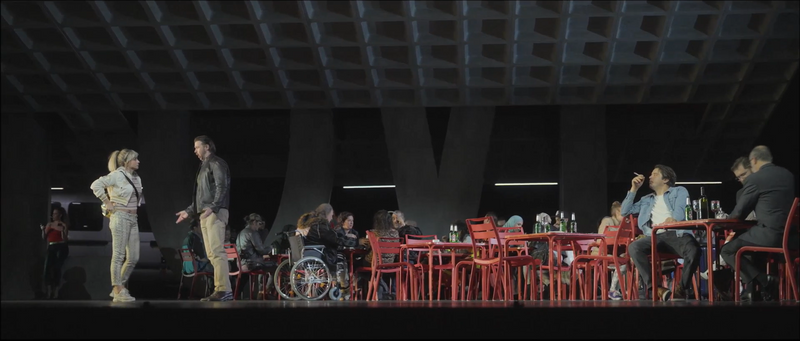
Donna non vidi mai
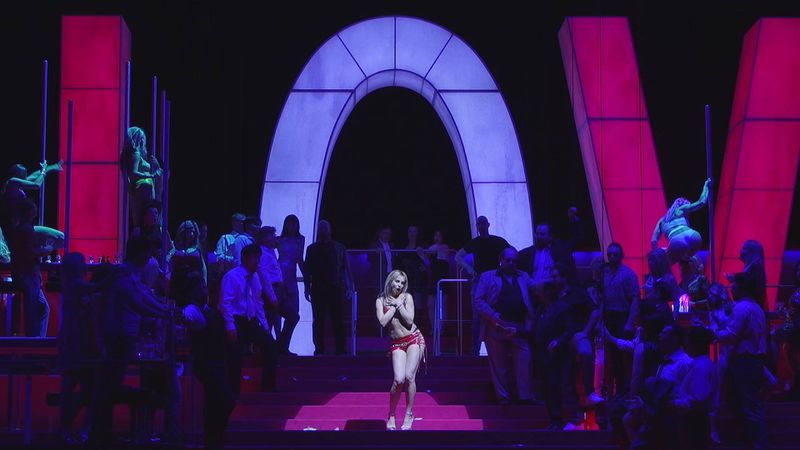
This brief tenor aria captures Des Grieux's love at first sight when he encounters Manon for the very first time as she steps down from a horse-drawn carriage (reimagined as a van in Àlex Ollé's production). Des Grieux is a passionate yet inexperienced young man, struck by love's fatal arrow, and he gives voice to his sudden emotions in a lyrical passage of remarkable beauty. The music rises to a series of magnificent high notes, marking his transformation: from this moment on, he is consumed by passionate love and will do anything to be with Manon—even die for her.
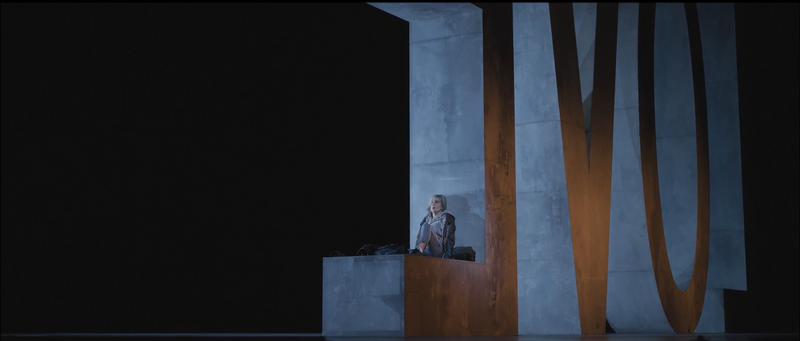
Sola, perduta, abbandonata
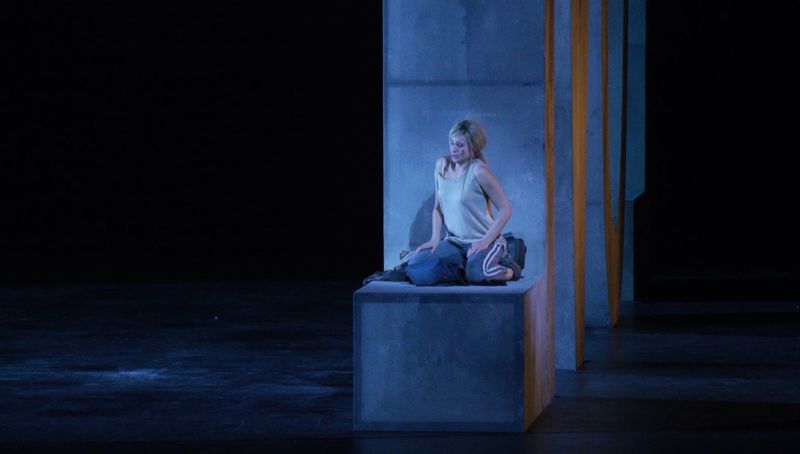
As Manon and Des Grieux cross a barren plain in Louisiana, having gone for days without food or water, Manon finally succumbs to exhaustion. Realising that she will never attain either freedom or a happy life with her beloved, she prepares to die. In her final moments, she gives voice to her loneliness and abandonment in a hostile land, after enduring every kind of disillusionment and humiliation. This great aria was added by Puccini during the 1924 revision of the score and remains one of the most desolate and beautiful moments of his career—a cornerstone of the dramatic soprano repertoire.




Abstract
Manon Lescaut, an opera in four acts premiered in 1893 at the Teatro Reggio in Turin, is based on the work L’histoire du chevalier des Grieux et Manon Lescaut (1731) by Abbé Prévost, which was also the inspiration for the opera Manon by Jules Massenet. Manon Lescaut was Puccini’s third opera and the one that represented his first major success. It brought him lasting fame and marked the beginning of a fruitful collaboration with librettists Luigi Illica and Giuseppe Giacosa, with whom he would write three masterpieces: La bohème (1896), Tosca (1900), and Madama Butterfly (1904).
Tags
Cast
Asmik Grigorian
Manon Lescaut
Ivan Gyngazov
Renato des Grieux
Iurii Samoilov
Lescaut
Donato Di Stefano
Geronte di Ravoir
Filip Filipović
Edmondo
Alvaro Diana
El Mestre de Ball
Carmen Artaza
Un músic
Artistic profile
Josep Pons
Conductor
Àlex Ollé
Stage Conductor
Alfons Flores
Scenography
Lluc Castells
Costume design
Joachim Klein
Lightning
Emmanuel Carlier
Video artist
Vincent Chaillet
Choreography
Gran Teatre del Liceu
Chorus & Orchestra
Pablo Assante
Chorus Conductor
Städtische Bühnen Frankfurt Am Main
Production