




EPISODES
TRISTAN UND ISOLDE IN 30 MINUTES
Get ready
INFO
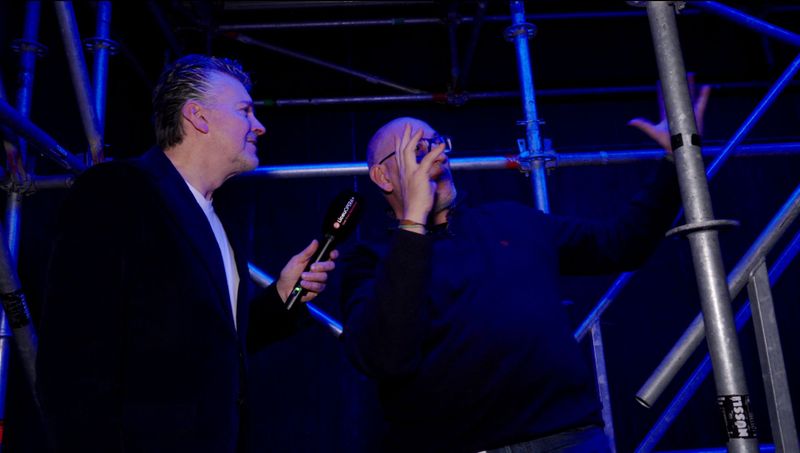
The introduction
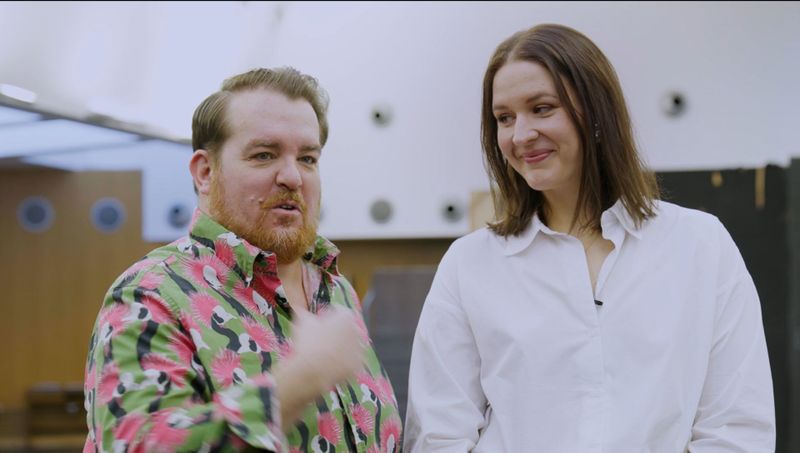
Ramon Gener introduces Tristan und Isolde by Wagner
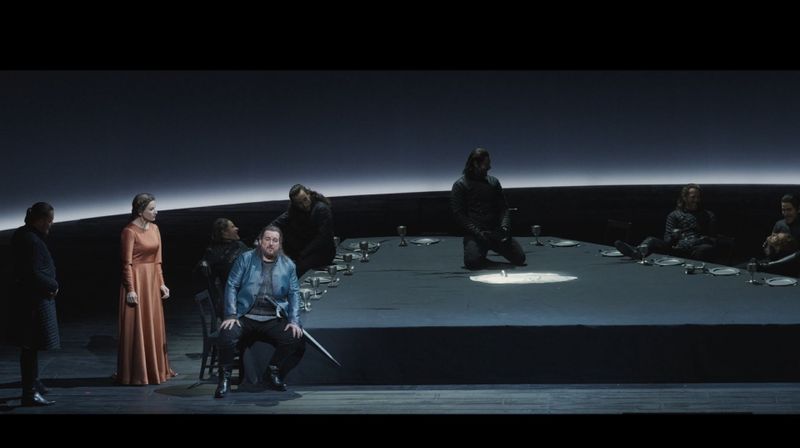
Act I
First act of Tristan und Isolde

First interlude
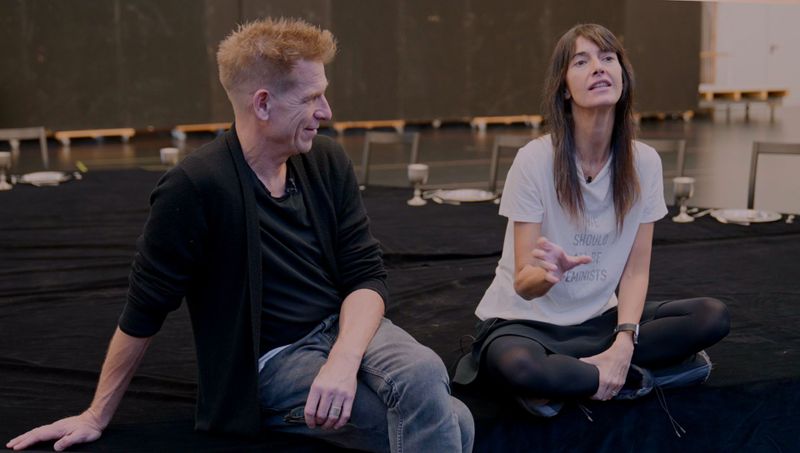
First interlude of Tristan und Isolde with Ramon Gener. With interviews with the protagonists of the production.
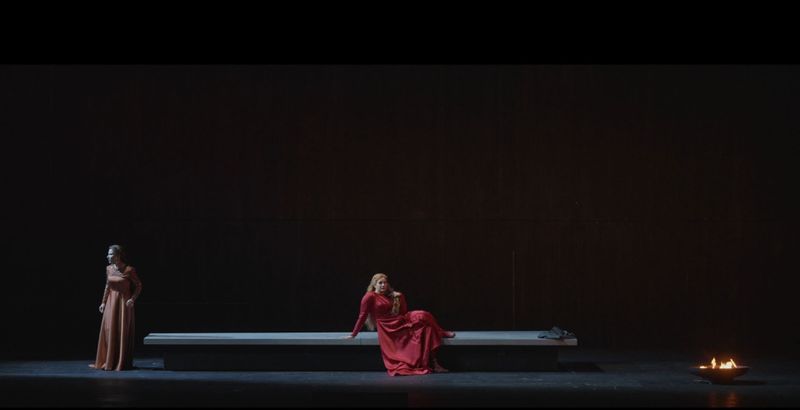
Act II
Second act of Tristan und Isolde
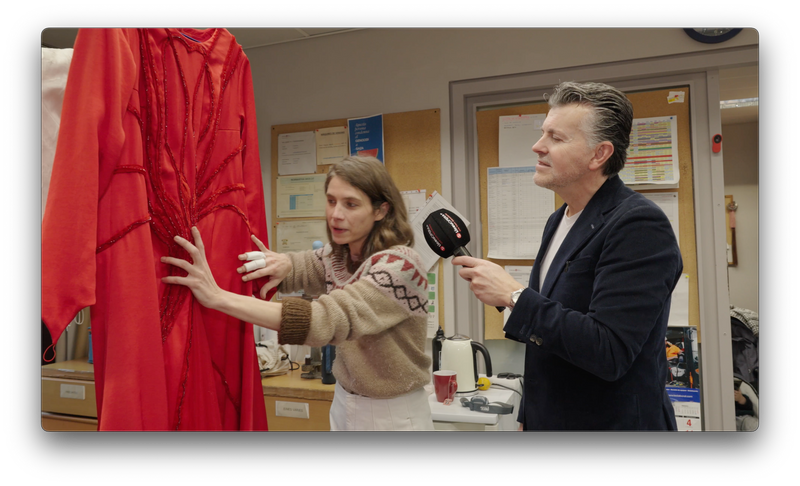
Second interlude
Second interlude of Tristan und Isolde with Ramon Gener. With interviews with the protagonists of the production.
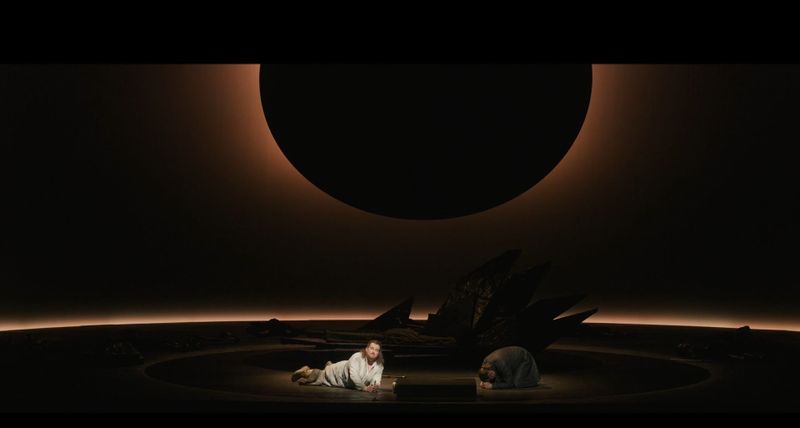
Act III
Third act of Tristan und Isolde
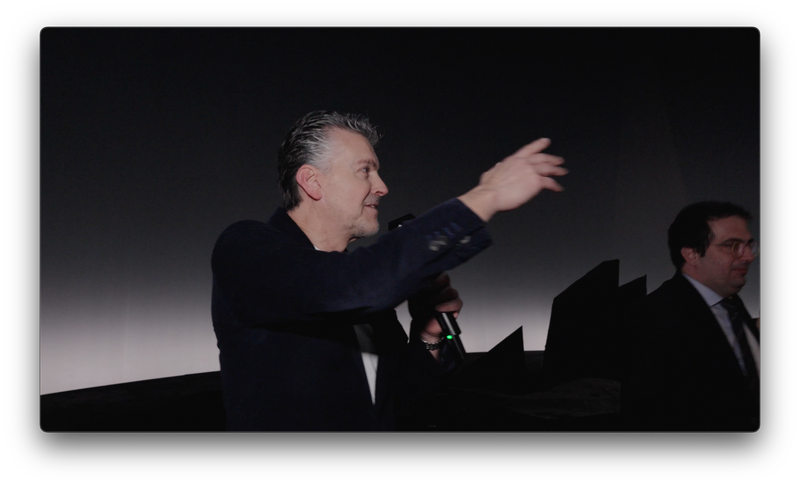
Aftershow
Ramon Gener says goodbye to the spectators and talks to some of the protagonists of Tristan und Isolde.
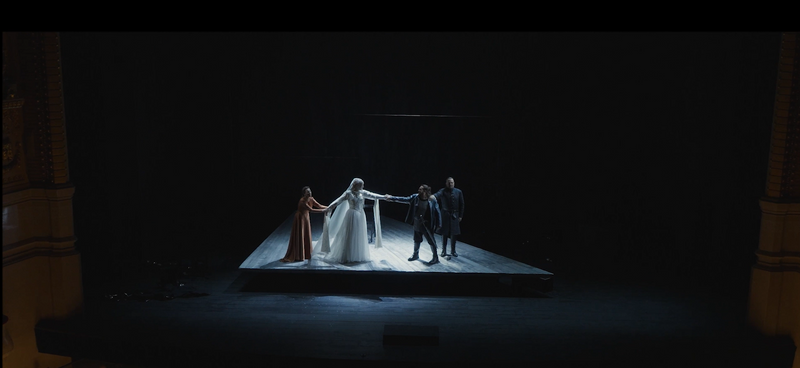
Tristan! Isolde!
We find ourselves aboard the ship captained by Tristan, bound for Cornwall. His uncle, King Marke, is to marry Isolde, and Tristan has been entrusted with escorting the bride to him.
Isolde is filled with anger when she discovers that Tristan is the man who killed her fiancé long ago. She had spared his life on the condition that she would never see him again, yet now he is the very one escorting her to her future husband.
Isolde asks her nurse, Brangäne, to prepare a deadly potion for Tristan to drink. Instead of obeying her and preparing a poison, Brangäne secretly provides a love potion. Tristan drinks half the cup, and Isolde drinks the other half. In that moment, an unconditional love is born between them.
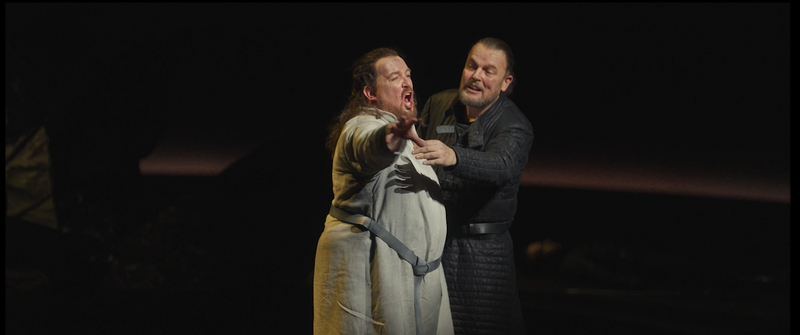
Was weckt sie mich
Tristan's faithful friend, Kurwenal, has brought him to the castle of Kareol. There, Tristan lies gravely wounded, remaining awake as he waits for the shepherd to announce Isolde's arrival.
Overcome by shifting emotions, Tristan rails against the fateful love potion. At last, the shepherd's flute announces Isolde's arrival. Kurwenal, ever faithful at Tristan's side, shares in his joy at the return of his beloved.
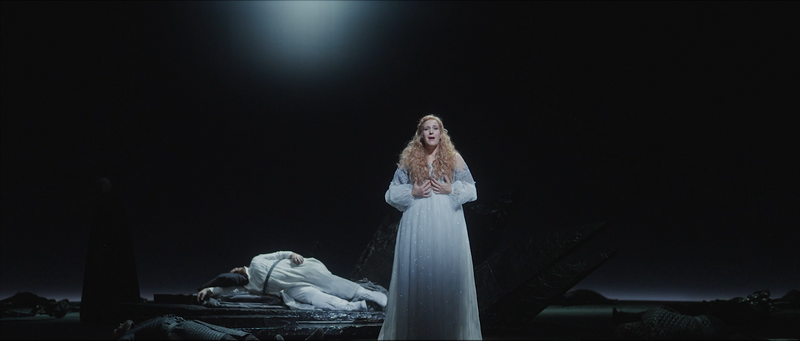
Liebestod
Isolde arrives and is finally reunited with Tristan, who dies with her name on his lips. Soon afterwards, King Marke, Melot, and Brangäne arrive. Melot and Kurwenal engage in a fight, and both lose their lives.
Marke comes intending to unite the two lovers, but he arrives too late. Isolde is transfigured, giving rise to one of the most sublime moments in the history of music.
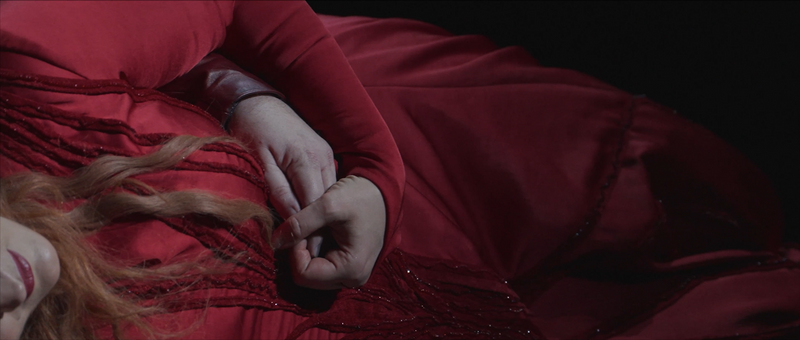
O sink hernieder, Nacht der Liebe
We are in King Marke's castle. The King has departed on a night hunt, the only time when Tristan and Isolde can meet and love each other freely. Brangäne helps the lovers make this secret encounter possible.
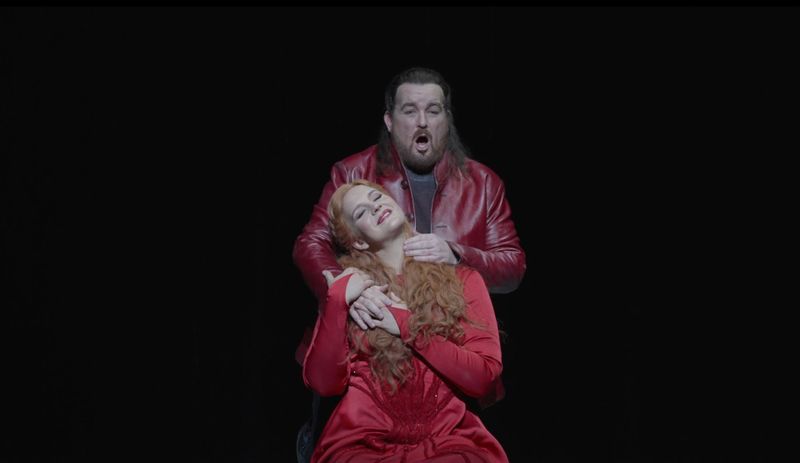
Wanting to protect them, Brangäne warns Isolde that Melot, Tristan's most loyal friend, suspects that something is going on between them. Tristan and Isolde surrender to their love while the darkness of the night shelters them.
In the end, they are discovered by King Marke, Melot, and his men. Marke feels deeply disappointed and betrayed by them both. Tristan confronts Melot, who mortally wounds him when Tristan chooses not to defend himself.
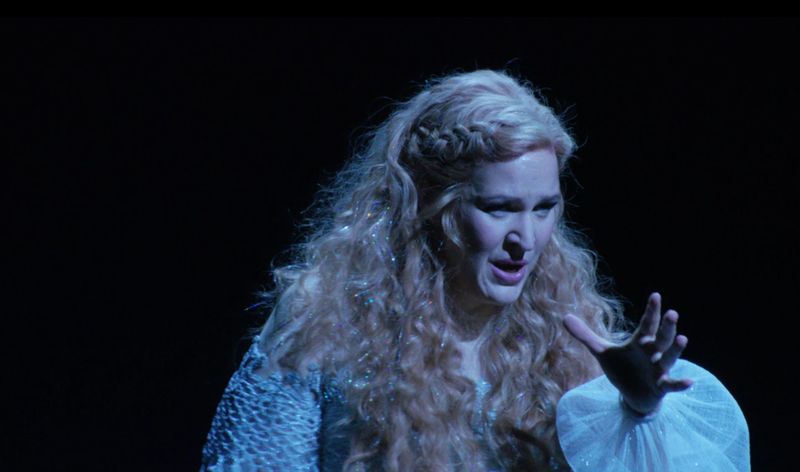


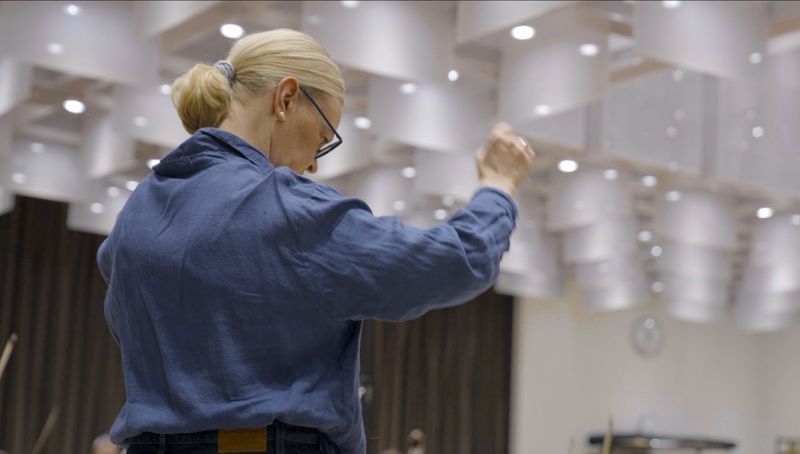


Abstract
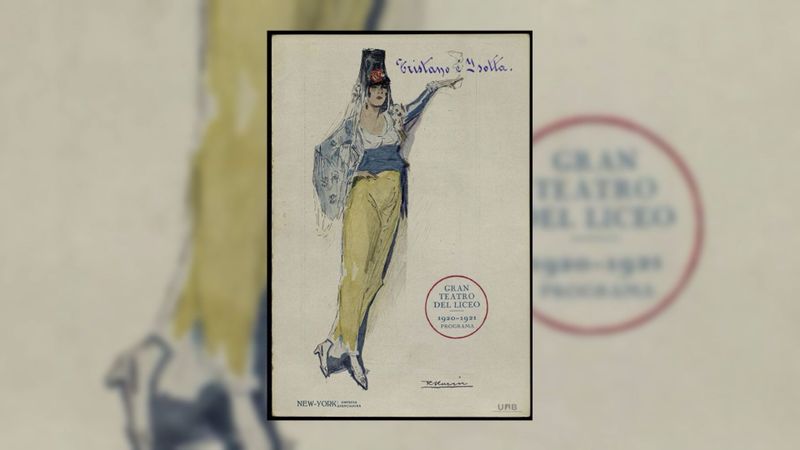
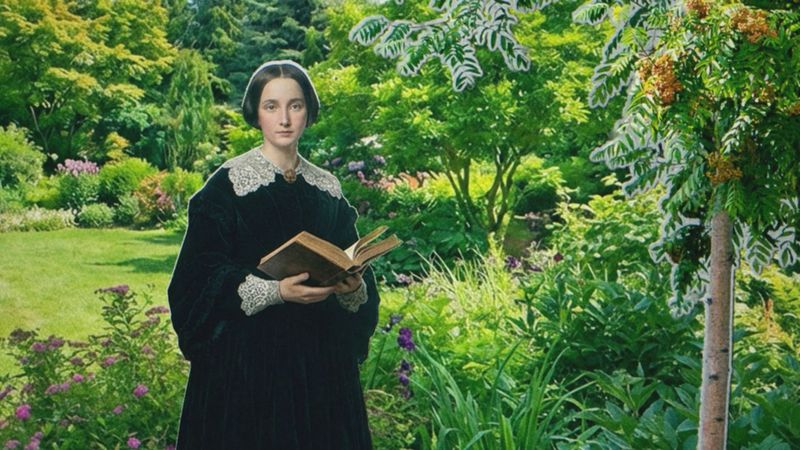
Tristan und Isolde is an immense dramatic-musical poem—an infinite song of love and death inspired by the 12th-century medieval legend of Celtic origin, as compiled by Gottfried von Strassburg. This tale became one of the cultural cornerstones of the Middle Ages and, in Wagner’s hands, a cultural revolution. Wagner weaves a rich constellation of references—ranging from Buddhism to the theatre of Calderón de la Barca and the philosophy of Schopenhauer—into a tension between opposing dualities: eros/thanatos, duty/instinct, and consciousness/subconscious. He presents a groundbreaking dramatic framework that anticipates modern psychology.
Tags
Cast
Clay Hilley
Tristan
Brindley Sherratt
Rei Marke
Lise Davidsen
Isolde
Tomasz Konieczny
Kurwenal
Roger Padullés
Melot
Ekaterina Gubanova
Brangäne
Albert Casals
Un pastor / Un mariner
Milan Perišić
Un timoner
Artistic profile
Susanna Mälkki
Conductor
Bárbara Lluch
Stage condcutor
Yvonne Gebauer
Dramaturgy
Urs Schönebaum
Scenography & lightning
Per determinar
Video production
Clara Peluffo
Costume design
Gran Teatre del Liceu
Chorus & Orchestra
Pablo Assante
Chorus conductor
Gran Teatre del Liceu
Production